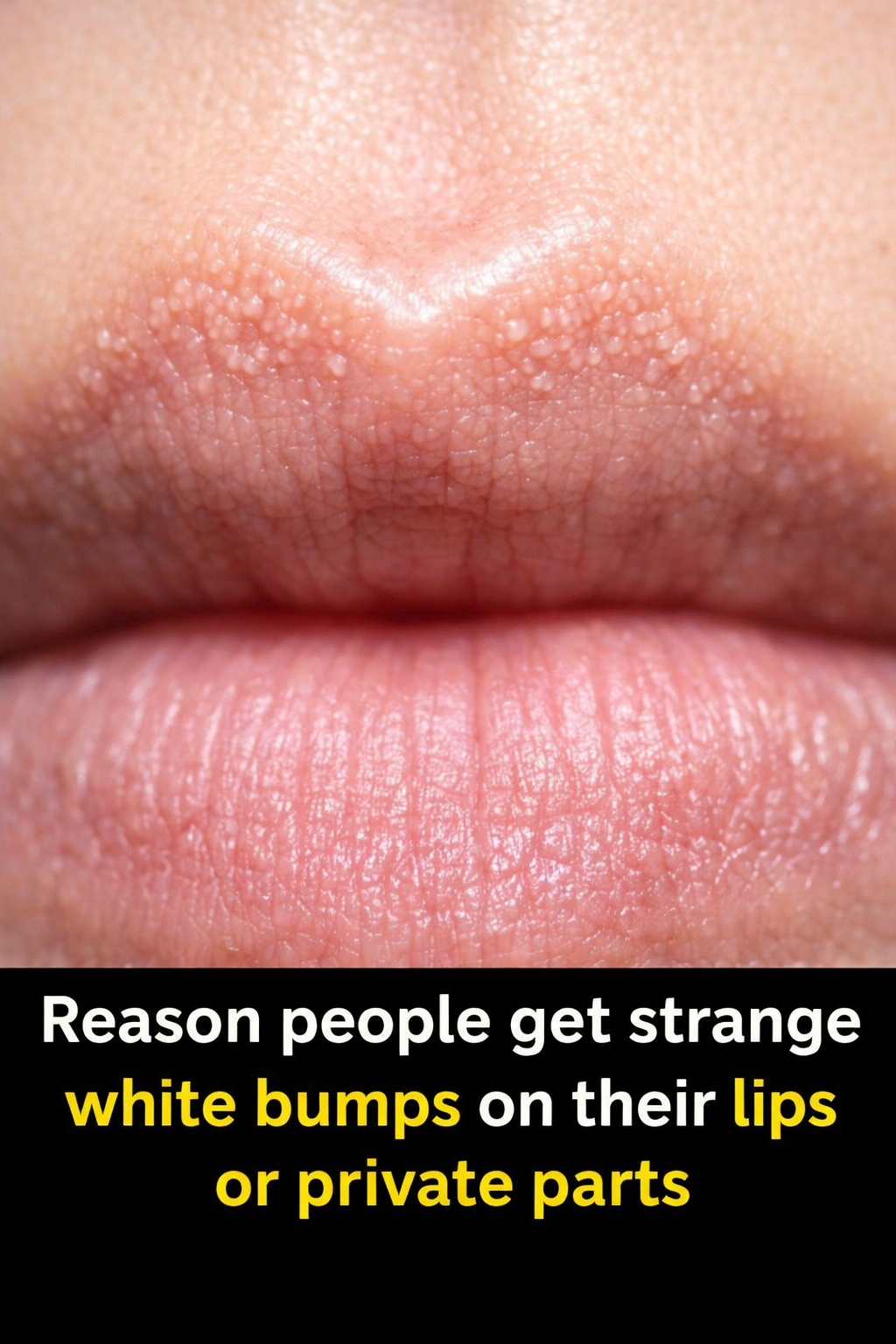
White bumps on the private parts can be surprising and sometimes alarming. Many people immediately worry about infections or serious diseases, but the truth is that most white or flesh-colored bumps in the genital area are harmless and very common. Understanding what they are—and what causes them—can ease anxiety and help you know when medical care is actually needed.
This article explains everything step by step, in simple and clear language.
Step 1: Don’t Panic—White Bumps Are Often Normal
The skin around the genitals is different from other areas of the body. It contains more oil glands, hair follicles, sweat glands, and sensitive tissue. Because of this, it’s normal for small bumps, spots, or uneven textures to appear at times.
In many cases:
- They are not contagious
- They are not sexually transmitted
- They are not dangerous
The key is learning how to recognize common causes.
Step 2: Fordyce Spots (The Most Common Cause)
Fordyce spots are visible oil (sebaceous) glands that appear as tiny white, yellow, or pale bumps.
Key characteristics:
- Small, smooth, painless bumps
- Appear in clusters
- Common on the penis, scrotum, vulva, or labia
- Usually noticeable after puberty
Why they appear:
They are simply oil glands that are closer to the skin surface in this area.
Do they need treatment?
No. They are completely harmless and considered a normal skin variation.
Step 3: Ingrown Hairs and Shaving-Related Bumps
If you shave, wax, or trim pubic hair, white bumps may be ingrown hairs or inflamed hair follicles.
How to recognize them:
- May look like small pimples
- Sometimes red or tender
- Can contain a white tip
- Often appear after hair removal
Why they happen:
Hair curls back into the skin instead of growing outward, causing irritation.
What helps:
- Avoid tight clothing
- Use gentle exfoliation
- Stop shaving until healed
Step 4: Clogged Pores and Sebaceous Cysts
Sometimes oil, dead skin, and bacteria get trapped under the skin, forming small cysts.
Typical signs:
- Round, firm bumps under the skin
- Usually painless
- Grow slowly
- Skin color may remain normal or slightly white
Important note:
Do not squeeze or pop these bumps—it can lead to infection or scarring.
Step 5: Pearly Penile Papules (Normal for Men)
These are small, dome-shaped white or flesh-colored bumps that form around the head of the penis.
What makes them unique:
- Appear in neat rows
- Same size and shape
- Not itchy or painful
- Not an STD
They are a natural anatomical feature, not a medical condition.
Step 6: Yeast Infections or Mild Skin Infections
In some cases, white bumps may be linked to fungal or bacterial overgrowth.
Possible warning signs:
- Itching or burning
- Redness or irritation
- Thick discharge (in women)
- Unpleasant odor
These usually require treatment, but they are common and easily managed with medication.
Step 7: When White Bumps Could Be a Concern
While most causes are harmless, seek medical advice if you notice:
- Pain or rapid swelling
- Open sores or ulcers
- Bleeding or pus
- Fever or general illness
- Bumps that change color, size, or shape
- Symptoms after unprotected sexual contact
A healthcare professional can quickly identify the cause and provide reassurance or treatment.
Step 8: What You Should NOT Do
Avoid these common mistakes:
- ❌ Popping or squeezing bumps
- ❌ Using harsh chemicals or home remedies
- ❌ Applying acne treatments meant for the face
- ❌ Ignoring persistent or painful symptoms
Gentle care is always best for sensitive skin.
Step 9: Simple Prevention Tips
You can reduce the chances of irritation by:
- Keeping the area clean and dry
- Wearing breathable cotton underwear
- Avoiding excessive shaving
- Using mild, fragrance-free soaps
- Practicing safe sex
Final Thoughts
White bumps on private parts are far more common than people realize. In most cases, they are harmless, painless, and part of normal skin anatomy. Understanding the cause helps remove fear and prevents unnecessary treatments.
When in doubt, a quick medical check can provide peace of mind—and that’s always a smart choice.