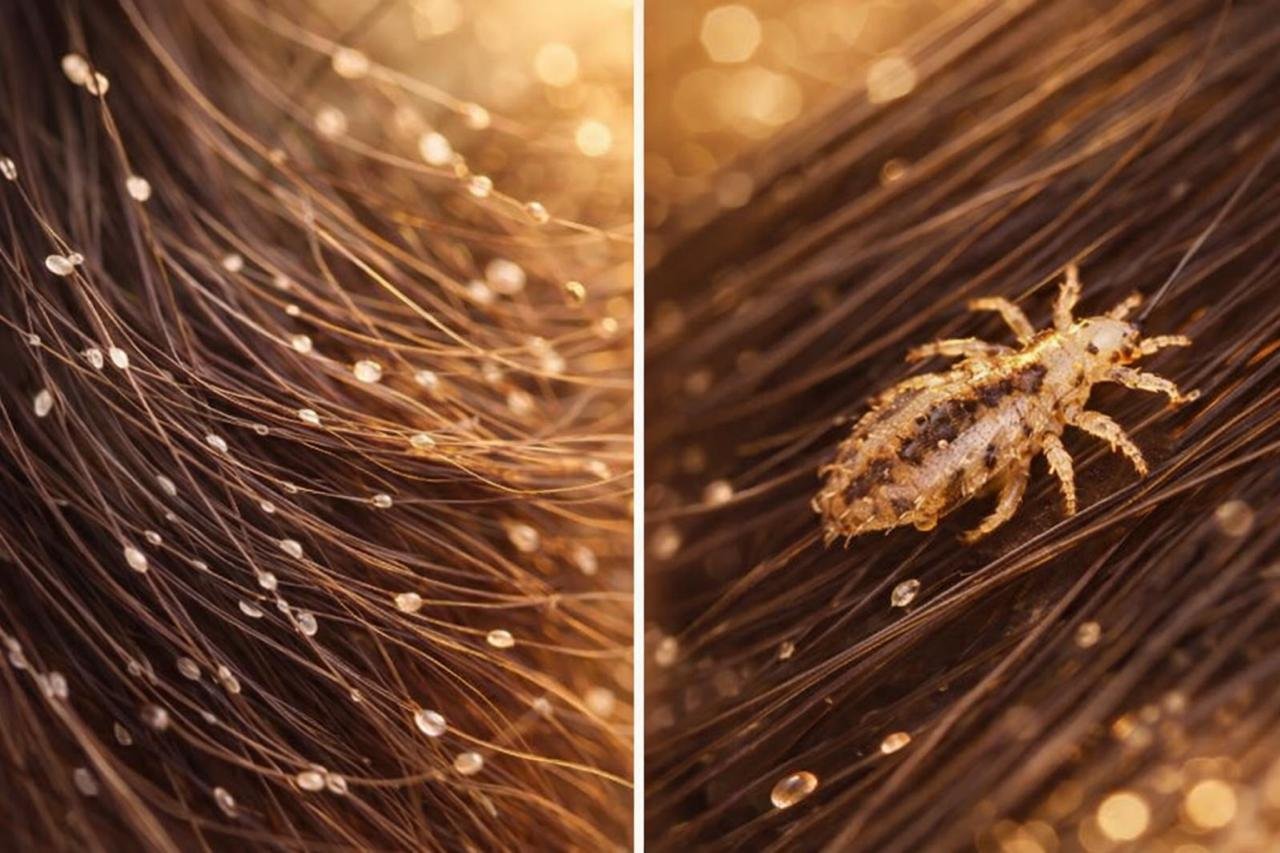
Lice are a common but frustrating problem that can affect people of all ages, especially children. Understanding how lice spread, how to recognize them early, and how to treat them properly is the key to stopping an infestation quickly and safely.
This step-by-step article explains everything you need to know.
Step 1: What Are Lice?
Lice are tiny, wingless insects that live on the human scalp and feed on small amounts of human blood.
They cannot fly or jump, but they crawl quickly through hair.
There are three main types of lice:
- Head lice (most common)
- Body lice
- Pubic lice
Head lice are the focus of most infestations, especially among school-aged children.
Step 2: How Do Lice Spread?
Lice spread mainly through direct close contact, especially head-to-head contact.
They can also spread by sharing:
- Hats and caps
- Clothes and scarves
- Hairbrushes and combs
- Towels and bedding
🚫 Important: Lice do not spread through pets, poor hygiene, or dirty environments.
Step 3: Signs and Symptoms of Lice
Common symptoms include:
- Persistent itching of the scalp
- Tickling or crawling sensation in the hair
- Red bumps or sores caused by scratching
- Difficulty sleeping (lice are more active at night)
You may also see:
- Live lice, which are small and fast-moving
- Nits (lice eggs), attached firmly to hair shafts near the scalp
Step 4: How to Check for Lice Properly
To check for lice:
- Use bright lighting
- Section the hair
- Look closely at the scalp, behind the ears, and at the nape of the neck
- Use a fine-toothed lice comb for better detection
💡 Nits are often mistaken for dandruff, but dandruff flakes move easily, while nits stick firmly to hair.
Step 5: Treatment Options for Lice
1. Medicated Treatments
Over-the-counter or prescription treatments include:
- Lice shampoos
- Lotions or creams
Always:
- Follow instructions exactly
- Avoid overuse
- Repeat treatment if recommended
2. Manual Removal
- Use a lice comb daily for 7–10 days
- Remove both live lice and nits
3. Natural or Home Remedies (With Caution)
Some people try:
- Wet combing
- Oils (olive, coconut, or tea tree)
⚠️ These methods may help but are not always proven to kill lice completely.
Step 6: Cleaning the Environment
To prevent reinfestation:
- Wash clothes, bedding, and towels in hot water
- Dry on high heat
- Soak combs and brushes in hot water for 10 minutes
- Vacuum furniture and carpets
🧹 No need to use insect sprays in the home.
Step 7: Preventing Lice in the Future
Prevention tips:
- Avoid sharing personal items
- Tie long hair back
- Teach children to avoid head-to-head contact
- Check hair regularly, especially during school outbreaks
Step 8: When to See a Doctor
Seek medical advice if:
- Treatments fail after repeated use
- Scalp becomes infected
- Lice keep returning despite proper treatment
Final Thoughts
Lice infestations are common, manageable, and not dangerous when treated correctly. Early detection and consistent treatment are the most effective ways to eliminate lice and prevent them from coming back.
✨ Knowledge and patience are your best tools.