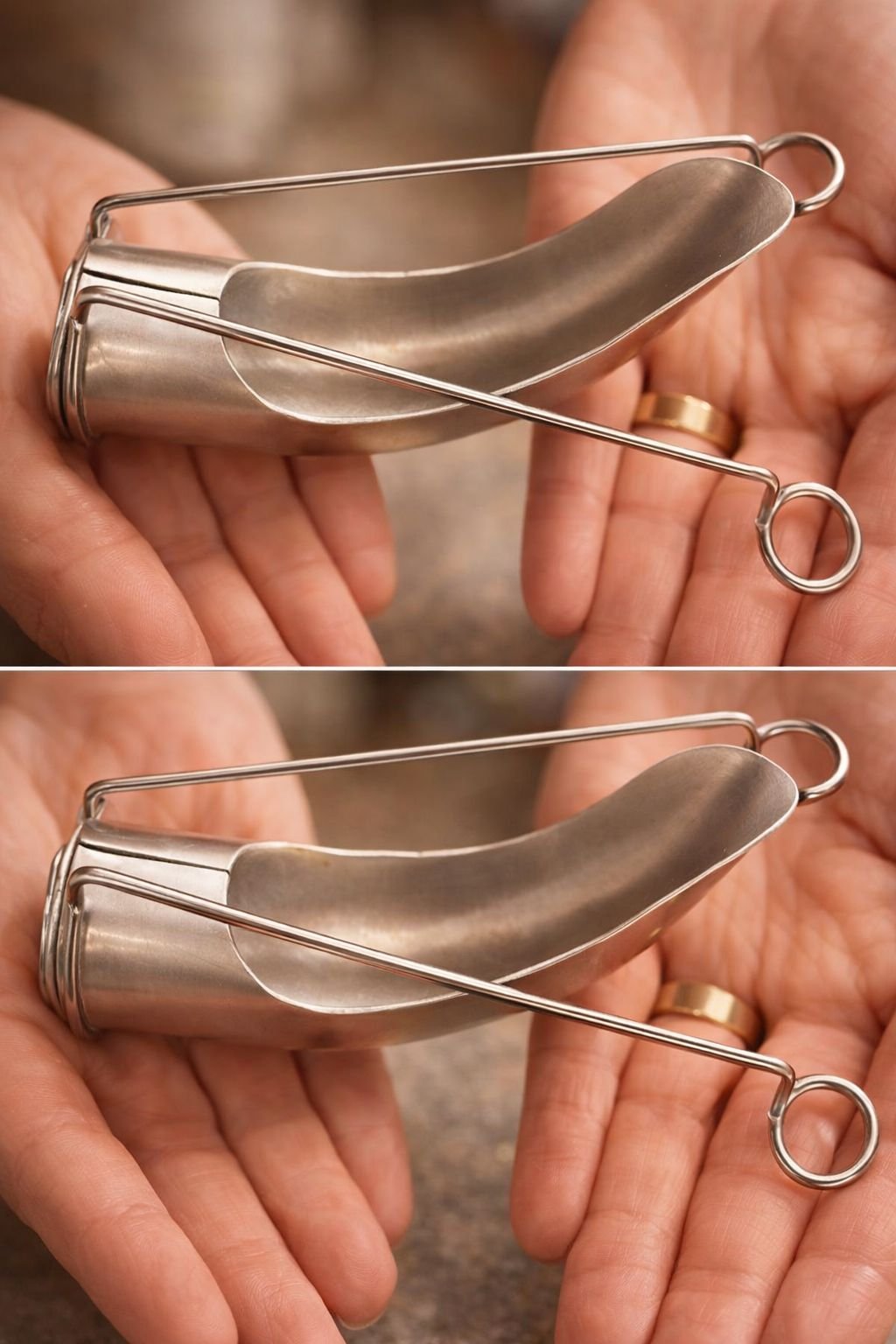
It started as something completely ordinary.
My mom was cleaning—nothing unusual, nothing invasive. Just one of those days when you finally decide to organize drawers that haven’t been touched in years. Then she froze.
There it was.
An item she didn’t recognize.
Something my dad had never mentioned.
Something that didn’t belong to everyday life.
And suddenly, a thousand questions filled the room.
The Moment Fear Takes Over
When someone finds an unfamiliar object hidden away, the mind doesn’t go to calm places first. It jumps straight to fear, suspicion, and worst-case scenarios.
Is it something dangerous?
Is it something secretive?
Is it something that changes how I see him?
Fear doesn’t wait for facts. It fills the gaps on its own.
Why Our Brains Go to the Worst Conclusion
When context is missing, imagination takes control. Especially when the item:
- Is hidden in a private drawer
- Looks unfamiliar or technical
- Isn’t used openly in daily life
Our brains are wired to protect us, so they ask: What am I not supposed to know?
But here’s the truth most people forget in moments like this…
Most “Scary” Discoveries Have Ordinary Explanations
Many items that cause panic turn out to be:
- Old medical tools or devices
- Work-related equipment
- Hobbies we never knew about
- Gifts never used
- Personal items from a different time in life
Not everything private is harmful.
Not everything hidden is a secret with bad intentions.
The Silence Makes It Worse
What makes situations like this so intense isn’t the object—it’s the silence around it. Not knowing invites fear. And fear grows faster than truth ever could.
The longer no one asks, the bigger the story becomes in our heads.
The Question That Changes Everything
Instead of asking “Is this what I’m afraid of?”
A better question might be:
👉 “What’s the simplest explanation I haven’t considered yet?”
Because fear loves complexity—but truth is often simple.
Before You Assume the Worst
Take a breath.
Remember that everyone has private spaces.
Remember that one object doesn’t define a person.
And most importantly—remember that clarity usually comes from conversation, not conclusions.
Final Thought
Finding something unexpected can shake your sense of safety—but fear is not evidence.
Sometimes, the thing we’re afraid of isn’t the object at all…
It’s the story we tell ourselves before knowing the truth.